Symptoms of Alcohol Related Brain Damage You Shouldn’t Ignore
Alcohol-related brain damage (ARBD) can develop gradually as a result of drinking alcohol excessively over time, appearing as memory loss, confusion, poor judgement or changes in personality. It’s often mistaken for dementia, mental health conditions, or simply the effects of ageing—because many people, including professionals, still underestimate how severely alcohol can affect the brain.
Without early recognition, individuals may miss the opportunity for meaningful recovery. But with the right support and specialist care, it’s possible to stabilise symptoms and relearn vital life skills—especially when alcohol use stops completely. Recognising the warning signs early is crucial, because some damage can become permanent brain damage if left untreated.
What Causes Alcohol-Related Brain Damage?
Alcohol-related brain damage (ARBD) develops over time as a result of long-term heavy drinking. Alcohol consumption and alcohol intake, especially when excessive, are primary contributors to ARBD. Too much alcohol and excessive alcohol use, combined with a poor diet, increase the risk of developing ARBD. But alcohol alone isn’t the only factor. Poor nutrition, mental health conditions, and social or environmental pressures can all play a role—because alcohol misuse rarely happens in isolation.
The more you understand about what increases a person’s risk, the easier it is to spot when specialist support is needed. Alcohol is a neurotoxin that directly damages brain cells, and its primary byproduct, acetaldehyde, contributes to neuronal death. The whole body is affected by alcohol use, including the brain and nervous system, gut, pancreas, lungs, cardiovascular system, and immune system. These factors lead to an increased risk of developing ARBD. That’s why recognising the root causes of ARBD is just as important as recognising the symptoms.
Key Risk Factors
Several factors increase the likelihood of developing ARBD, including:
- undefined
- undefined
- undefined
- undefined
- undefined
One of the most damaging effects of long-term alcohol misuse is a severe deficiency of thiamine. Thiamine (vitamin B1) is essential for brain function, and without it, brain cells begin to die. This severe deficiency is directly linked to Wernicke’s encephalopathy and Korsakoff’s syndrome, two of the most serious forms of ARBD. Wernicke encephalopathy is caused by a severe lack of thiamine (vitamin B1) due to alcohol misuse or poor diet. Thiamine (vitamin B1) replacement is a main treatment for Wernicke encephalopathy.
The Three Main Types of ARBD
- undefined
- undefined
- undefined
Wernicke-Korsakoff Syndrome is a specific type of ARBD affecting thinking, movement, and emotions. This severe form includes symptoms such as confusion, hallucinations, and eye movement issues.
Understanding these types matters, because ARBD is often mistaken for other conditions like Alzheimer’s disease or psychiatric illness. Misdiagnosis can delay the right kind of care—and delay makes recovery harder.
Early Signs and Symptoms of Alcohol Related Brain Damage
Alcohol-related brain damage (ARBD) rarely arrives overnight. Instead, it tends to develop gradually, beginning with small but significant changes in memory, mood, and day-to-day functioning. These early symptoms are easy to overlook or misinterpret, especially when they’re attributed to ageing, stress, or other mental health issues. But recognising the early signs is crucial, because timely intervention can prevent further damage—and in some cases, lead to meaningful recovery. ARBD affects the nervous system, impacting both the brain and peripheral nerves, which can result in a range of neurological and physical symptoms.
One of the most common early indicators is short-term memory loss. Individuals may struggle to recall recent conversations, forget appointments, or ask the same questions repeatedly. Alongside this, many find it difficult to learn or retain new information, often appearing confused or lost in unfamiliar situations. As the condition progresses, changes in personality may become more apparent. A person who was once sociable and engaged may become withdrawn, apathetic, or irritable. Others may show signs of paranoia, emotional flatness, or inappropriate behaviour.
Judgement and decision-making can also be affected. Some individuals may make impulsive choices, show poor awareness of their own limitations, or fail to understand the consequences of their actions. Disorientation and confusion—particularly when routines are disrupted or environments change—are also common. In more physically noticeable ways, a person may begin to struggle with balance, coordination, or basic self-care tasks such as eating, washing, or dressing. Poor judgment and coordination problems in ARBD increase the risk of falls and accidents.
Physical symptoms of ARBD can include an unsteady gait, slurred speech, and tremors. Alcohol misuse is also linked to peripheral neuropathy, which can cause numbness and pain in the limbs due to damage to the peripheral nervous system.
These changes don’t happen all at once, and they don’t look the same in everyone. That’s part of what makes ARBD so difficult to spot in its early stages. The symptoms often overlap with other conditions such as dementia, depression, or schizophrenia. Without a clear history of alcohol misuse, the true cause may be overlooked—because on the surface, a person may appear physically healthy and even articulate, while beneath that, cognitive function is steadily declining.
What’s often misunderstood is that these behaviours are not about being unmotivated or difficult. They reflect real and measurable changes in the brain—changes that, if left untreated, can lead to permanent, brain caused damage. But if caught early, and if alcohol use stops, there is hope. Gradual reduction of alcohol intake is recommended to avoid dangerous withdrawal symptoms. People with ARBD can improve with the right care, structure, and support, often regaining skills and independence that many assumed were lost for good.
The Impact on Daily Functioning and Quality of Life
The effects of alcohol-related brain damage (ARBD) go far beyond clinical symptoms. They reach into the routines, relationships, and everyday decisions that make up a person’s life. Chronic alcohol use can lead to significant cerebral atrophy, particularly in the frontal and temporal lobes, and reduce the volume of the brain's white matter, affecting brain function. For many individuals living with ARBD, tasks that were once second nature—managing money, preparing meals, following a conversation—can become overwhelming or impossible. As cognitive function declines, living independently becomes more difficult, and previously familiar environments may start to feel confusing or unsafe.
This decline in daily functioning is often distressing not only for the individual, but also for their family, carers, and healthcare professionals. Excessive drinking can impair the body's ability to recover and increases health risks, even at low amounts of alcohol consumption. Loved ones may notice someone who was once organised and self-sufficient now struggles to follow a schedule, forgets to pay bills, or becomes withdrawn and emotionally unpredictable. These aren’t simply signs of ageing or bad habits—they are the very real consequences of alcohol-related changes in the brain.
What makes ARBD different from many other brain conditions is that it behaves more like a brain injury than a progressive disease. That distinction matters, because it means that with the right support—and with sustained abstinence from alcohol—some level of recovery is possible. Coordination, memory, and judgement may improve over time, particularly when individuals are placed in a structured, supportive environment focused on rehabilitation. Drinking too much alcohol can weaken the immune system, making the body more susceptible to disease.
Recognising the impact on daily life is vital, because it helps move the conversation beyond diagnosis and into care planning. It reminds us that behind every cognitive symptom is a person trying to live with dignity, purpose, and independence. And while the challenges are real, so is the potential for meaningful change—especially when families and professionals work together to provide patient, person-centred support.
Getting Medical Assessment and Diagnosis for Alcohol Related Brain Impairment
Diagnosing alcohol-related brain damage (ARBD) can be complex, because its symptoms often mimic other conditions like dementia, mental illness, or the after-effects of head injury. This overlap can lead to delays in treatment or inappropriate placements, particularly if a person’s alcohol history isn’t fully understood or disclosed. It is important to consider how much alcohol a person has consumed, as this information is crucial for accurate assessment. Even a single occasion of excessive drinking can have significant health impacts, not just chronic use.
There’s no single test for ARBD. Instead, diagnosis relies on a combination of clinical assessment, cognitive testing, physical examination, and an in-depth understanding of the individual’s alcohol use over time. In many cases, it also involves ruling out other neurological conditions. That’s why early referral and a thorough, multidisciplinary assessment process are essential. After initial tests, a specialist assessment may be required to evaluate and diagnose alcohol-related brain damage.
Cognitive assessments typically focus on short-term memory, attention, reasoning, and problem-solving skills—areas that are often affected by ARBD. Physical assessments may highlight coordination problems, eye movement issues, or signs of nutritional deficiencies, such as a lack of thiamine. Brain imaging, such as MRI or CT scans, may also be used to identify structural changes in the brain, although these are not always conclusive. Wernicke's Encephalopathy is a medical emergency requiring immediate treatment.
What’s often overlooked in the assessment process is the potential for improvement. ARBD is not necessarily a progressive condition. Unlike degenerative diseases such as Alzheimer’s, the effects of ARBD can stabilise or even improve if alcohol use stops and appropriate care is provided. This makes an accurate diagnosis particularly valuable—because it can open the door to rehabilitation rather than long-term decline.
Recognising the signs and seeking specialist input early can make all the difference. A clear diagnosis not only guides better treatment planning but also helps families understand what’s happening and what might be possible with the right support. It is essential to seek professional help for assessment and treatment if ARBD is suspected.
Building Support Networks and Family Involvement
Maintaining strong connections with loved ones is an important part of recovery from alcohol-related brain damage, and a well-supported treatment approach can facilitate these vital relationships. Ensuring that family members understand the medical nature of alcohol use disorder can encourage more compassionate and frequent involvement in the recovery process.
Having access to support groups, educational resources, and professional guidance can create a welcoming and understanding environment for healing. Quality healthcare providers will recognize the importance of maintaining strong family connections and will support both patients and loved ones in building the most effective support network possible for long-term recovery.

Recovery and Rehabilitation from Alcohol Misuse
One of the most important things to understand about alcohol-related brain damage (ARBD) is that it doesn’t always lead to permanent decline. Unlike degenerative conditions such as Alzheimer’s disease, the effects of ARBD can stabilise, and in many cases, individuals show significant improvement—if the right steps are taken early enough. The first and most crucial step is to stop drinking. Quitting alcohol is necessary for recovery, but it should always be done under medical supervision, as sudden withdrawal can cause severe illness.
Recovery begins with stopping alcohol use completely. Continued drinking not only halts progress but often worsens the condition. Once alcohol has been removed, the brain is given the chance to heal. While not every function may return, many people with ARBD regain lost skills, improve their memory and judgement, and rebuild confidence in everyday tasks. There are various treatment options available to help manage symptoms and support rehabilitation, including professional consultations and tailored management plans.
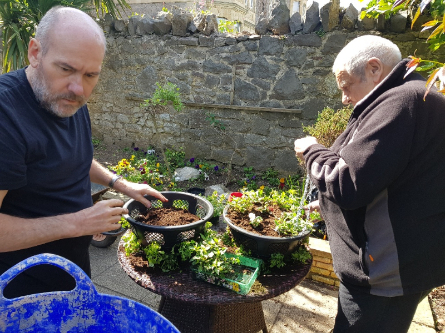
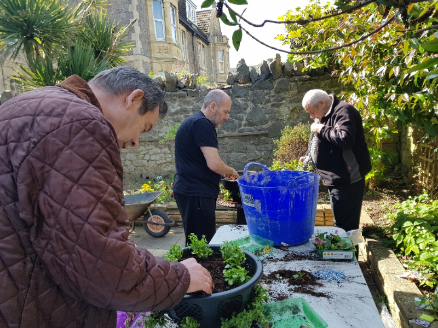
Rehabilitation works best in a structured, supportive environment—one that combines specialist care with patience, consistency, and a clear routine. Person-centred support is essential, as every individual’s presentation of ARBD is different. Some may need help with basic life skills such as washing, cooking, or handling money. Others may be ready to relearn more advanced skills that support greater independence.
Nutrition also plays a critical role in recovery. Many people with ARBD have suffered from vitamin deficiencies—particularly thiamine (vitamin B1), which is essential for healthy brain function. Addressing this through supplements and a balanced diet can support both physical and cognitive recovery. A healthy, balanced diet is key in the treatment of alcoholic dementia. Excessive alcohol use can lead to pancreatitis, which can impair digestion and metabolism.
Alcohol misuse can damage the heart and lead to conditions such as cardiomyopathy and high blood pressure. Heavy alcohol use can also disturb the endocrine system, disrupting hormones that help maintain the body's stability and health. It is important to understand the risks associated with alcohol dependence and to consider moderate drinking, as staying within recommended alcohol intake levels is generally considered safer for brain health and may reduce the risk of dementia.
Rehabilitation isn’t just about medical care—it’s about creating the right conditions for someone to rebuild a life worth living. That might mean relearning how to manage a weekly routine, reconnecting with loved ones, or simply regaining confidence in day-to-day choices. Progress often happens slowly, but with the right support, it does happen.
Recovery is possible. Not always complete, not always straightforward—but enough to give someone back their sense of self, purpose, and possibility.
When Residential Care Is the Right Step
For some individuals living with alcohol-related brain damage (ARBD), recovery at home simply isn’t possible, not because there’s no hope, but because the level of structure and support needed goes beyond what families or community services can provide.
Residential care becomes the right step when day-to-day safety, nutrition, medication adherence, or personal care can no longer be reliably managed without consistent support. It’s often the best option when someone is experiencing repeated relapses, frequent hospital admissions, or increasing cognitive difficulties that are putting their independence—or dignity—at risk.
Making the move into care is never an easy decision, but it’s important to remember that the goal isn’t just safety. In the right setting, individuals with ARBD can stabilise, rebuild life skills, and even regain a level of independence they’d lost. That’s why residential care isn’t the end of the road—it can be a new beginning.
Specialist care homes that understand ARBD provide more than supervision. They offer structured routines, support with alcohol abstinence, person-centred rehabilitation, and a therapeutic environment designed to help residents recover function—not just cope. For many people, this kind of consistent, specialist input is the key to long-term progress. Families and professionals should consider residential care not as a last resort, but as a proactive step towards a better quality of life—because when care is timely and appropriate, outcomes improve.
A Supportive Next Step Starts Here
Alcohol-related brain damage is a complex condition, but with the right diagnosis, environment, and support, recovery is possible. The earlier the right support is in place, the greater the opportunity for stabilisation, regained independence, and a better quality of life.
At Campania Care Home, we specialise in supporting individuals living with ARBD, Korsakoff’s syndrome, Wernicke’s encephalopathy, and related mental health conditions. Our person-centred approach focuses on rehabilitation, not just care, because we believe in second chances, structure, and support that enables residents to rebuild life skills and restore dignity.
If you’re a healthcare professional exploring residential options for someone with alcohol-related brain damage or a family member seeking guidance we’re here to help. Contact us to learn more about our approach, our team, and how Campania Care Home in Weston-super-Mare could support the next step in someone’s recovery journey.